
Yale University
A current guide to Yale College's liberal-arts curriculum, 14 residential colleges, seminar and writing culture, arts ecosystem and need-based aid.
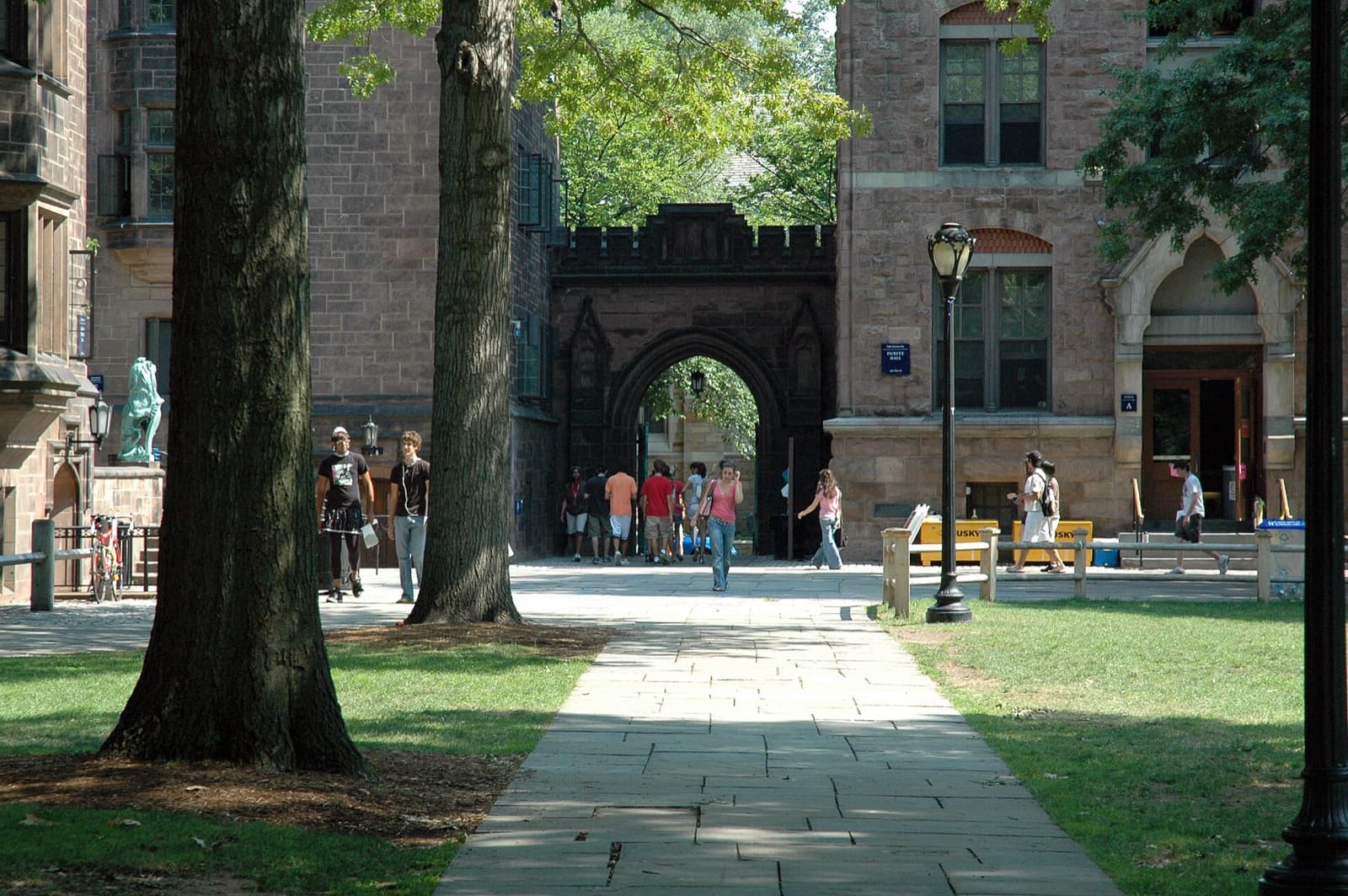
- LocationNew Haven, Connecticut
- Undergraduate unitYale College
- Community14 residential colleges
- ApplicationCommon App / Coalition / QuestBridge
- 2026 testingACT or SAT required

The undergraduate experience at Yale College
Yale College is the undergraduate liberal-arts unit within a larger research university. Applicants may name interests but are not admitted to a binding major.
Seminars, faculty office hours, writing resources, residential-college advising and a rich arts environment reward students who actively build connections across fields.
What distinguishes Yale
- Fourteen residential colleges connect advising, dining, traditions and community.
- Seminar discussion and sustained writing are central across the liberal arts.
- Museums, music, theatre, libraries, archives and laboratories support work across disciplines.
- New Haven provides a real context for service and community partnership.
Residential colleges: more than housing
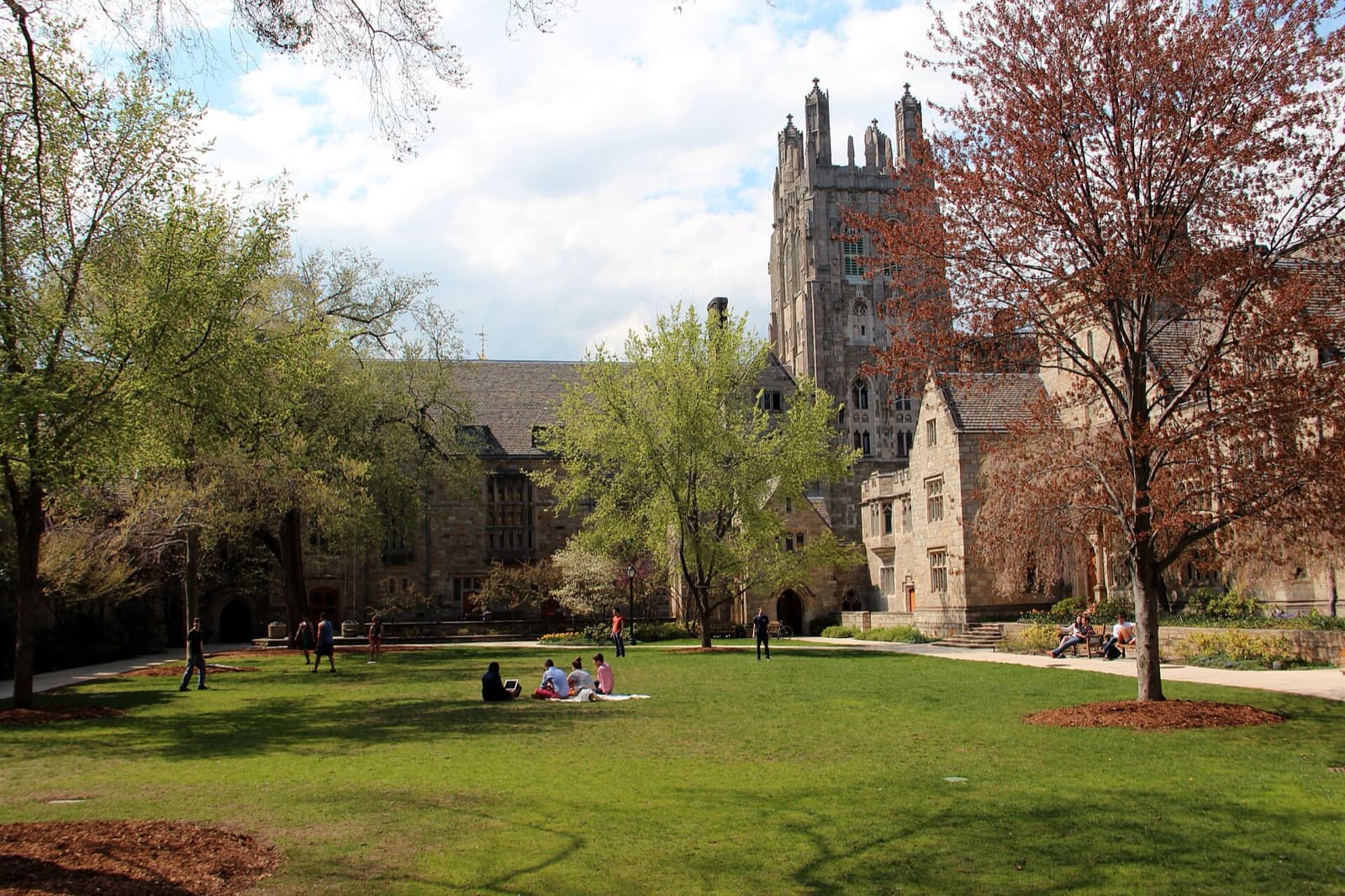
Every undergraduate belongs to one of Yale's 14 residential colleges for four years. College deans, heads, advisers, dining and shared spaces connect academic and social life.
The system creates a smaller community within Yale but does not replace a student's own effort to seek support and participate.
Seminars, writing and independent thought
Yale's signature is a mode of inquiry rather than one required program: seminar preparation, evidence-based discussion, attentive listening and revision.
Writing is treated as a way to build thought. Research can take place in a laboratory, archive, performance, community, field or dataset, usually after students learn foundational methods.
Academic areas and exploration
Humanities
History, literature, philosophy, languages, religion and cultural studies centre close reading, archives, argument and writing.
Arts and Performance
Art history, music, theatre, film and studio practice connect with museums, stages and student productions.
Social Sciences
Economics, political science, sociology, anthropology and psychology use qualitative and quantitative methods.
Science, Mathematics and Engineering
Biology, chemistry, physics, earth sciences, mathematics, computer science and engineering connect coursework with research and design.
Applying to Yale from Türkiye
International applicants submit the same core school materials, recommendations, essays and Yale-specific responses as domestic applicants, with certified translations where needed.
For 2026–27 first-year admission, applicants must submit the ACT or SAT. Certain non-native English speakers must also provide an English proficiency result; consult Yale's current rules and score guidance.
Annual direct cost
USD 94,100
Official 2026–27 direct costs are USD 72,500 tuition, USD 12,080 housing and USD 9,520 food, totalling USD 94,100. A USD 185 activity fee and estimated USD 1,000 books are additional.
Students without qualifying coverage may also need the USD 3,764 Yale Health plan. Travel and personal expenses vary.
Need-blind, need-based aid
100% demonstrated need
Yale states that admission is need-blind regardless of citizenship and that it meets admitted students' demonstrated need with need-based Yale Scholarship support.
Aid is not a merit award. Family contribution is determined under Yale's institutional methodology and documentation rules.
Who may be a good fit for Yale?
- Students energised by reading, writing and seminar discussion
- Learners seeking depth while crossing arts, sciences and social questions
- Applicants ready to contribute to residential-college life
- Students who revise their work and thinking through feedback
Community contribution and academic curiosity belong together
Yale may not suit applicants interested only in name recognition or unwilling to engage in community and intensive discussion. It is never a safety school.

How TeamMate Academy supports a Yale application
We help connect academic context, authentic writing and community contribution without forcing a generic ideal-candidate formula.
- Academic and course-rigour review
- Testing plan
- Essay and short-response development
- Supplementary-material judgment
- Document and aid timeline
- A balanced university list
This independent guide is for general information. It does not imply official representation, authorisation or partnership between TeamMate Academy and Yale University or Yale College. Verify current official policies before acting.