
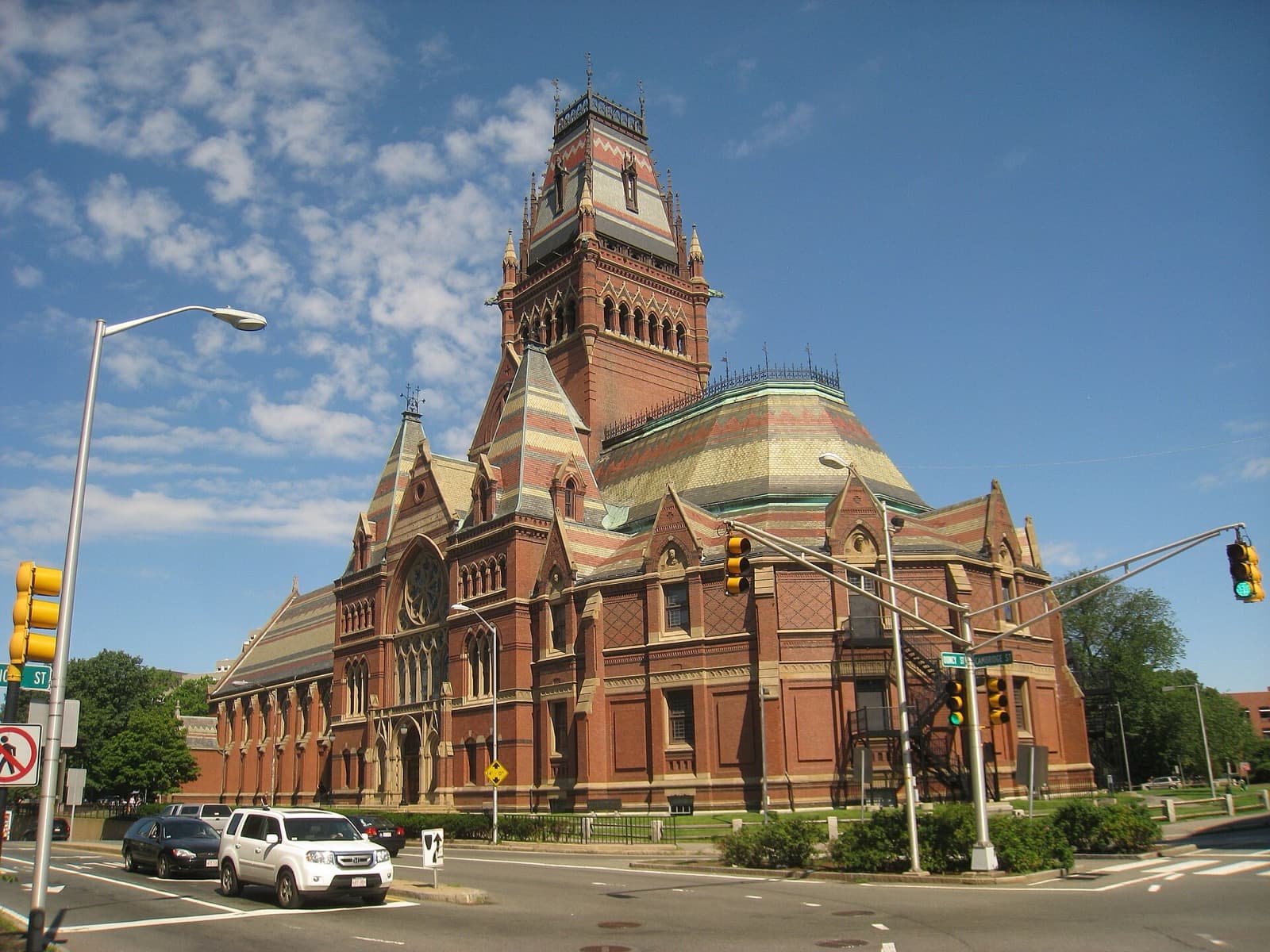
Harvard University
A current guide to Harvard College's liberal-arts undergraduate experience, research infrastructure, House system and place in the Boston–Cambridge academic ecosystem.
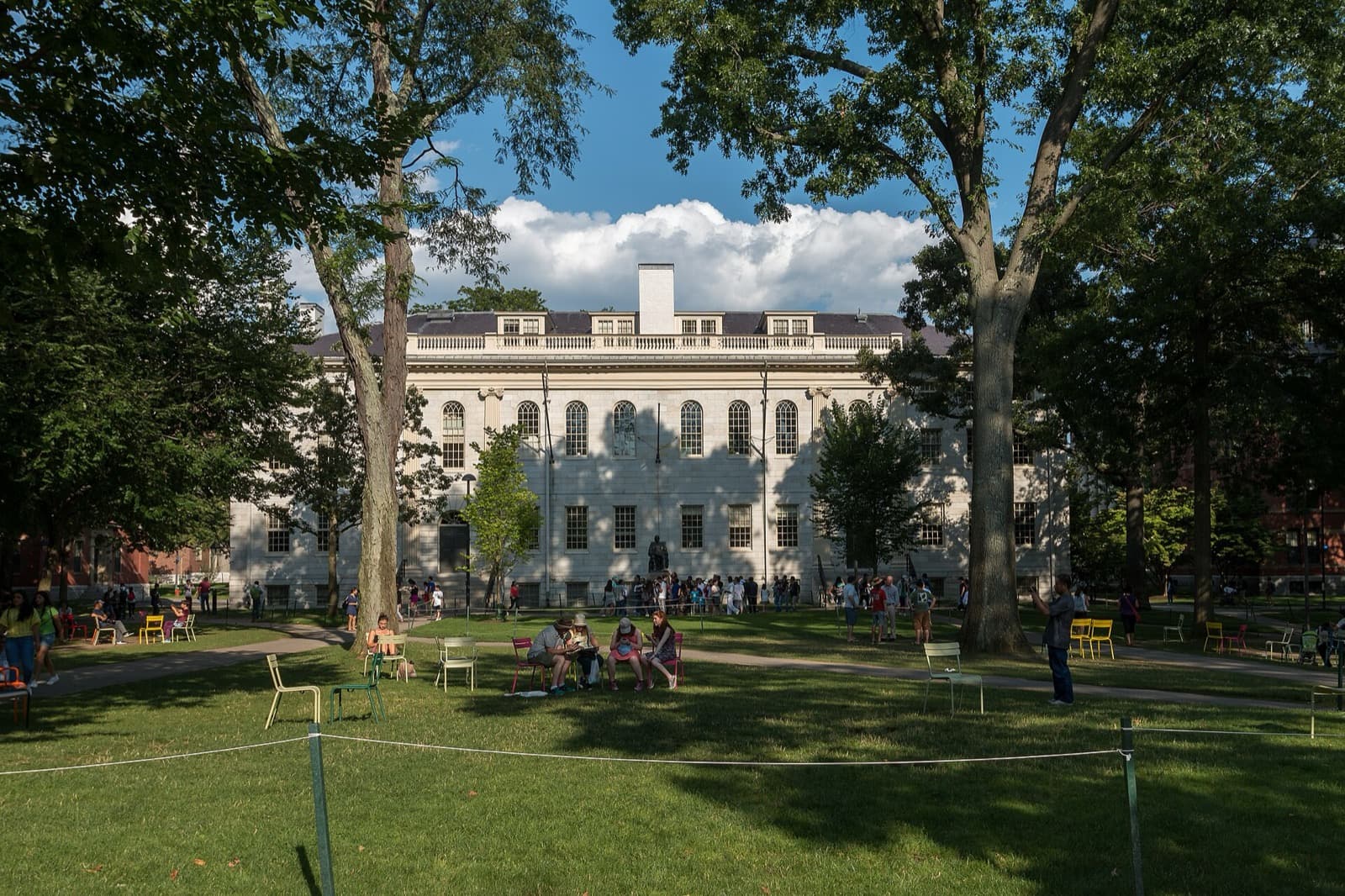
- LocationCambridge, Massachusetts
- Undergraduate unitHarvard College
- Academic modelLiberal arts + concentration
- ApplicationCommon App
- TestingSAT or ACT required
Harvard University and Harvard College
Harvard University is a broad research institution whose undergraduate liberal-arts unit is Harvard College. First-year applicants apply to the College rather than directly to a professional school or major.
Students explore humanities, social sciences, natural sciences, engineering and interdisciplinary fields before declaring a concentration. More than 50 concentrations and thousands of courses make the curriculum broad, but the pace demands disciplined reading, writing and independent time management.
What distinguishes the Harvard experience
- A liberal-arts curriculum that combines a concentration with General Education, distribution requirements and optional secondary fields.
- Undergraduate access to laboratories, libraries, museums, collections and faculty-led research.
- A residential House system that combines advising, dining, community and student life after the first year.
- The wider Boston–Cambridge ecosystem, including limited cross-registration opportunities with MIT.
The House system and life in Cambridge
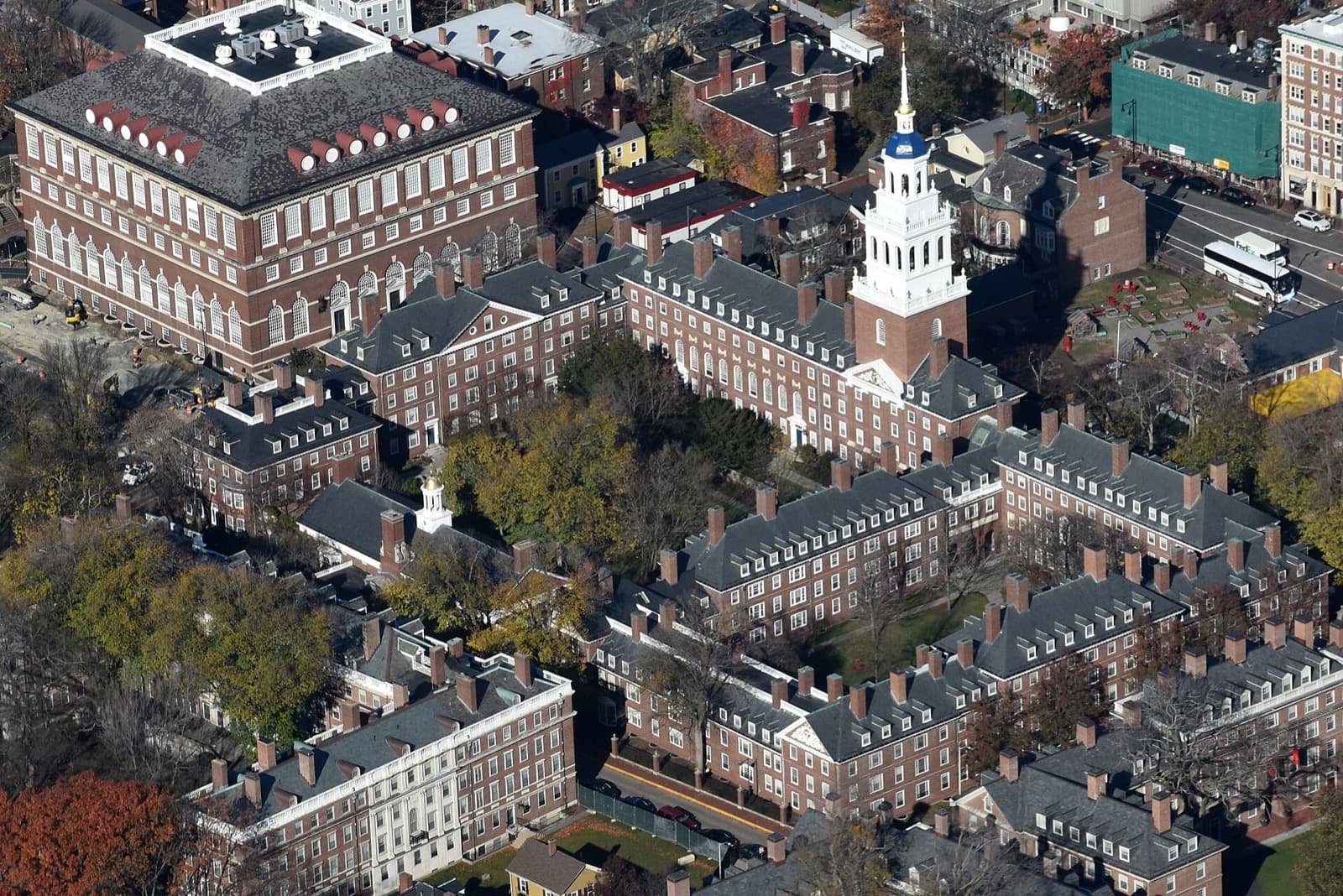
First-year students live around Harvard Yard and later join one of the residential Houses. Houses combine advising, dining, traditions and community, although students still need to participate actively to benefit from them.
Cambridge and nearby Boston add research, cultural, service and internship possibilities. Making use of the city requires deliberate time and budget planning.
Concentration, Gen Ed and the research journey
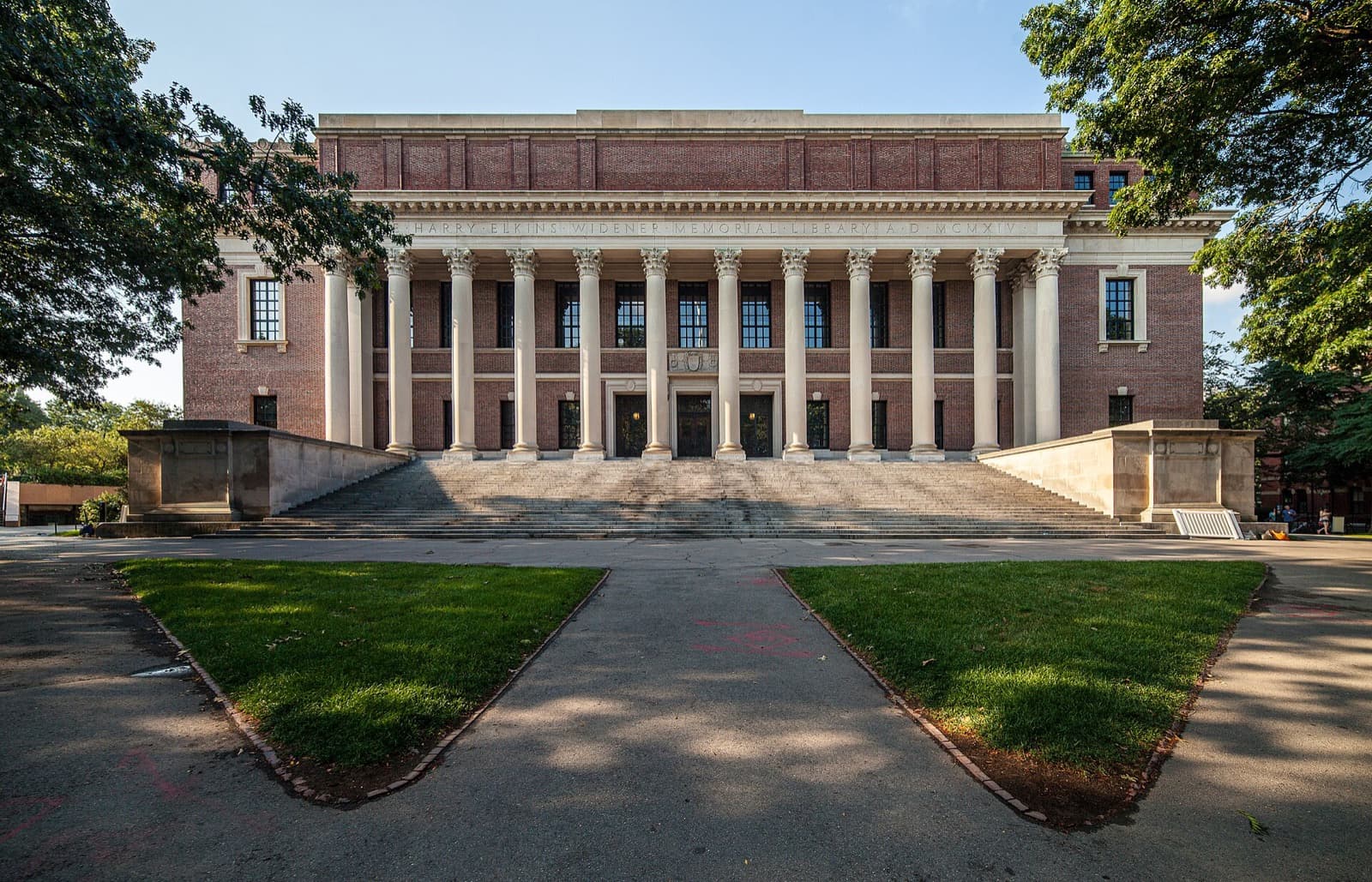
Harvard's signature undergraduate pathway combines exploration with depth. Students sample fields, plan with advisers and later declare a concentration, sometimes adding a secondary field or interdisciplinary option.
General Education and distribution requirements connect disciplinary knowledge with civic, ethical and contemporary questions. Research often begins through foundational courses, office hours and faculty conversations before moving into a laboratory, archive, data or field project.
Major academic directions
Humanities and Arts
Literature, history, philosophy, languages, religion, visual studies and music develop close reading, interpretation, archival work and writing.
Social Sciences
Economics, government, sociology, anthropology and psychology combine quantitative and qualitative approaches to social questions.
Natural Sciences and Engineering
Life sciences, physics, chemistry, mathematics, computer science and engineering connect theory, experiment, design and computation.
Interdisciplinary Fields
Data, environment, neuroscience, history of science and gender-related fields allow study across departmental boundaries.
Applying from Türkiye: what Harvard looks for
International and US applicants are reviewed under the same holistic framework, with achievements read in the context of school, family and available opportunities. The Common Application includes the personal essay, activities, Harvard short responses, school materials and two teacher recommendations.
For 2026–27, applicants must submit the SAT or ACT. Harvard describes limited alternatives only where access is genuinely exceptional; it publishes no minimum score. Testing is one part of a broader review of academic readiness, contribution, qualities and experience.
Estimated annual cost of attendance
USD 95,134–100,134
The official budget lists USD 62,226 tuition, USD 6,216 fees, USD 14,250 housing and USD 8,942 food. With books, personal costs and variable travel, the estimate is USD 95,134–100,134.
Students without qualifying coverage may also need the USD 4,954 health plan. Costs vary with travel and circumstances; verify the current official budget before applying.
Need-based financial aid
100% demonstrated need
Harvard states that admission is need-blind regardless of citizenship and that it meets the calculated demonstrated need of admitted students. International students use the same need-based aid process.
Harvard does not offer merit awards. Family contribution is calculated under institutional rules, so meeting demonstrated need is not the same as meeting every family's preferred budget.
Who may be a good fit for Harvard?
- Students with sustained achievement and genuine intellectual curiosity beyond grades
- Applicants showing depth in research, art, service, leadership or another meaningful commitment
- Independent learners who can seek advisers, research and community within a resource-rich institution
- Students who value broad exploration before focused concentration
Selectivity is not the same as fit
Harvard may not suit applicants motivated only by brand value or those who do not want a demanding, reading-intensive and self-directed environment. Even excellent applicants need a balanced university list.
How TeamMate Academy supports a Harvard application
We do not promise admission. We help students build an honest, evidence-based application and a balanced university list.
- Academic profile and course-choice review
- Integrated testing and application timeline
- Essay and short-answer strategy grounded in the student's own voice
- Document, recommendation and aid checklist
- A balanced reach–match–safer university list
This independent guide is for general information only and does not imply official representation, authorisation or partnership between TeamMate Academy and Harvard University or Harvard College. Policies and costs may change; verify current official sources before acting.